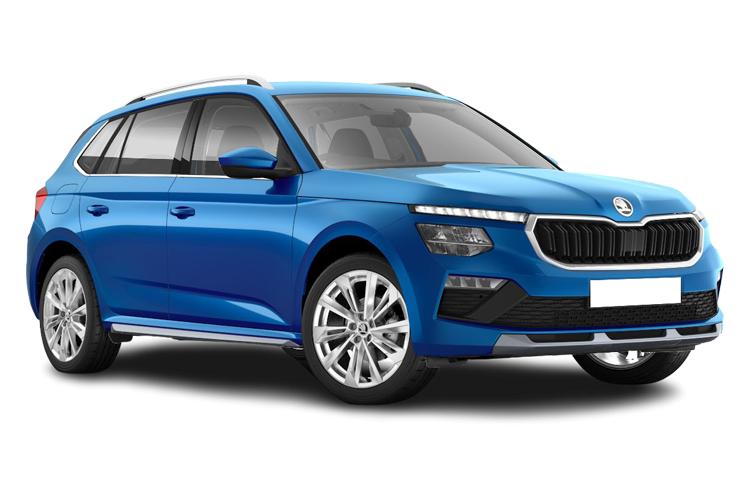

Should I Choose a Hybrid Car or Go Fully Electric now?
Share on:
.jpeg)
As the UK accelerates towards cleaner motoring, many drivers are weighing up a key question: Should the next car be a hybrid or a fully electric vehicle (EV)?
Both have their advantages, and the right choice depends on driving habits, budget, charging access and long-term priorities.
What’s the Difference?
Hybrid vehicles combine a petrol engine with an electric motor. Some can drive short distances on electric power alone, but still rely on fuel for most journeys.
Plug-in hybrids (PHEVs) can be charged and typically offer 20–40 miles of electric-only range, depending on the model.
Fully electric vehicles (EVs) run only on battery power, with no combustion engine at all. This means zero exhaust emissions, quieter driving and lower running costs.
Why Choose a Hybrid Vehicle?
Great for Transitioning: Hybrid cars suit drivers who want to go greener but may not feel ready to rely entirely on electric power. There’s less range anxiety, because the petrol engine takes over when the battery is empty.
Familiar Driving and Refuelling: There’s no need to change driving habits dramatically. Long motorway trips, irregular charging access or living in a flat without off-street parking all make hybrids feel safer and simpler.
Lower Upfront Costs (Sometimes): Hybrids can be cheaper to purchase than fully electric alternatives, although this varies by model and government incentives.
Good Fuel Economy: In town and stop-start traffic, hybrids can be impressively economical, as the electric motor handles much of the low-speed work.
Why Go Fully Electric?
Lower Running Costs: EVs generally cost less per mile than petrol or hybrid cars. Electricity is cheaper than fuel, and EVs have fewer moving parts, meaning less maintenance.
Zero Emissions: An electric car produces no exhaust emissions while driving. For environmentally conscious buyers, this is a major attraction.
Government Incentives and Tax Benefits: EVs still offer strong financial benefits, particularly for company car drivers, thanks to low benefit-in-kind rates and favourable road tax rules.
Improved Range and Infrastructure: Range anxiety is reducing rapidly. Many newer EVs comfortably exceed 250 miles on a single charge, and public charging networks continue to expand at pace across the UK.
Where Hybrids Fall Short: Hybrids can still be more polluting in real-world driving, especially if drivers rarely plug them in and rely mostly on the petrol engine.
They also come with the complexity of two powertrains, which can mean higher mechanical costs over time.
Where Fully Electric Cars Can Be Challenging
The biggest concerns remain:
Charging convenience, especially for those without home charging.
Higher upfront purchase prices, although this gap is narrowing.
Longer refuelling time, even with fast chargers.
However, for many drivers—particularly those with a driveway and predictable daily mileage—these limitations are becoming much less significant.
Which Should You Choose?
Choose a Hybrid if:
You frequently make long journeys without guaranteed charging access.
You live somewhere where home charging isn’t practical.
You want lower emissions than a petrol car but aren’t ready for full electric.
The budget doesn’t currently stretch to an EV.
Choose a Full EV if:
You can charge at home or work.
You want the lowest running costs and maintenance.
You drive mostly predictable daily mileage within modern EV ranges.
You’re aiming for the cleanest and most future-proof option.
The Road Ahead
The direction of travel is clear: the industry is moving quickly towards full electrification. While hybrids still offer an excellent stepping stone, a fully electric car provides the greatest benefits in the long term—both financially and environmentally.
But for now, the best choice is the one that suits your lifestyle and driving reality today.
nev leasing are personal and fleet management specialists helping and empowering our clients in the transition to electric vehicles.
Our team will be delighted to speak with you to discuss your personal circumstances and can offer industry leading experience and advice.
Why not contact us today for an initial chat and let us help you get to where you want to go.




![HYUNDAI I10 1.0 [63] Premium 5dr [Nav]](https://cdn.automotus.uk/store/CVD/car/104620/front_view/i10-hatch-hyi0-25.jpg)